
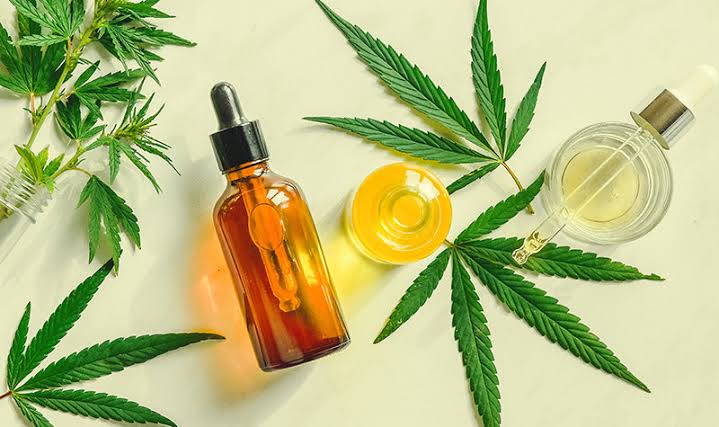
CBD has become a popular ingredient in wellness products, but choosing the right type of CBD can sometimes feel confusing. When shopping for CBD products, you may come across terms such as CBD oil, CBD isolate, full-spectrum CBD, broad-spectrum CBD, and hemp extract.
Although these terms are related, they don’t all describe the same thing.
One of the most common comparisons is CBD oil vs CBD isolate. CBD oil generally refers to a finished oil-based product containing CBD along with a carrier oil and, depending on the formulation, other hemp compounds. CBD isolate, on the other hand, is a highly purified form of cannabidiol that is separated from the other compounds naturally found in hemp.
Understanding the difference can help you make more informed choices when comparing CBD products.
What Is CBD?
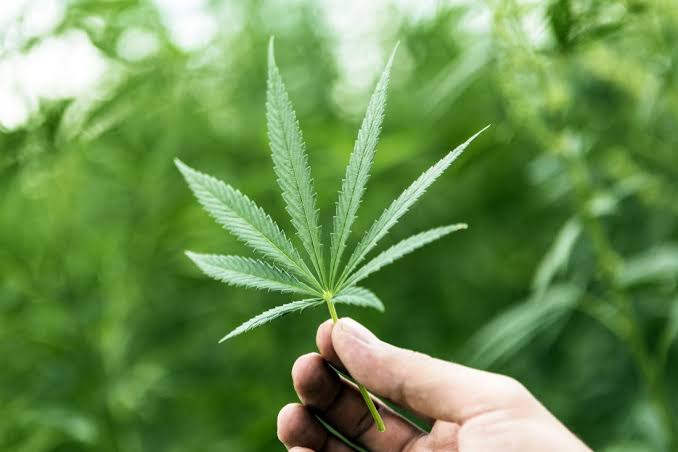
CBD stands for cannabidiol, one of the naturally occurring cannabinoids found in the cannabis plant, including hemp varieties.
Unlike THC, CBD is not intoxicating, meaning it does not produce the traditional “high” associated with THC.
CBD can be extracted from hemp and incorporated into different types of products, including oils, capsules, gummies, creams, and other formulations.
However, the final product can contain more than just CBD. Depending on how the CBD is extracted and processed, it may also contain other cannabinoids, terpenes, plant compounds, and other ingredients.
This is where the difference between CBD oil and CBD isolate becomes important.
What Is CBD Oil?
CBD oil is generally a formulation that combines CBD extract with a carrier oil.
Common carrier oils include:
- MCT oil
- Hemp seed oil
- Olive oil
- Avocado oil
- Other plant-based oils
The CBD used in the product may come from different types of hemp extracts.
For example, a CBD oil may be formulated using full-spectrum CBD extract, broad-spectrum CBD extract, or CBD isolate.
Therefore, simply seeing “CBD oil” on a label doesn’t tell you exactly which type of CBD extract is inside the bottle.
Checking the ingredient list and product specifications is important.
What Is CBD Isolate?
CBD isolate is a purified form of cannabidiol.
During processing, CBD is separated from other compounds found in hemp until the resulting material consists primarily of CBD.
Because other naturally occurring hemp compounds are removed during purification, CBD isolate is different from full-spectrum and broad-spectrum extracts.
CBD isolate is often described as one of the most concentrated forms of CBD because it is primarily cannabidiol rather than a mixture of multiple hemp compounds.
It can be used as an ingredient in various products, including oils, capsules, edibles, and topical formulations.
CBD Oil vs CBD Isolate: The Main Difference
The simplest way to understand the distinction is this:
CBD oil is usually a finished formulation, while CBD isolate is a purified CBD ingredient.
CBD oil may contain CBD along with a carrier oil and potentially other hemp-derived compounds.
CBD isolate is primarily purified cannabidiol.
This distinction is important because a product can actually contain CBD isolate and still be called CBD oil if the isolate is mixed with a carrier oil.
For example, a bottle could contain:
CBD isolate + MCT oil = CBD oil
So, CBD oil and CBD isolate aren’t always direct alternatives.
One describes a type of finished product, while the other describes the form of CBD used in a formulation.
Full-Spectrum CBD Oil vs CBD Isolate
One of the most useful comparisons is between full-spectrum CBD oil and CBD isolate.
Full-Spectrum CBD Oil
Full-spectrum CBD products are made using extracts that retain multiple naturally occurring hemp compounds.
Depending on the product and applicable regulations, these may include:
- CBD
- Other cannabinoids
- Terpenes
- Other naturally occurring hemp compounds
Full-spectrum products may contain trace amounts of THC, so consumers should always check the product’s cannabinoid profile and laboratory testing information.
CBD Isolate
CBD isolate is processed to remove other cannabinoids and plant compounds, leaving highly purified CBD.
It is therefore much simpler in terms of cannabinoid composition.
For consumers who want a product focused specifically on CBD without other cannabinoids, isolate-based products may be appealing.
Broad-Spectrum CBD vs CBD Isolate
Broad-spectrum CBD is another option that sits between full-spectrum CBD and CBD isolate.
Broad-spectrum products generally contain multiple hemp-derived compounds but are formulated to remove THC to the extent claimed by the manufacturer and verified by testing.
CBD isolate goes further by removing the other major hemp compounds as well, leaving primarily CBD.
This creates three commonly discussed categories:
Full-spectrum: CBD + multiple hemp compounds, potentially including trace THC.
Broad-spectrum: CBD + selected hemp compounds, with THC removed or intended to be absent.
CBD isolate: Primarily purified CBD.
The exact composition can vary between products, so laboratory testing is important.
Does CBD Isolate Contain THC?
Pure CBD isolate is designed to contain only cannabidiol and should not contain meaningful amounts of THC.
However, product quality and manufacturing standards matter.
If avoiding THC is important to you, don’t rely only on marketing claims. Look for a recent Certificate of Analysis (COA) from an independent laboratory.
A COA can provide information about the cannabinoid profile and help verify the contents of a specific batch.
CBD Oil vs CBD Isolate: How Do They Differ in Composition?
The composition is one of the biggest differences.
A CBD oil may contain several ingredients, including:
- CBD extract
- Carrier oil
- Other cannabinoids
- Terpenes
- Natural plant compounds
- Flavouring ingredients, depending on the product
CBD isolate is much more straightforward because it is primarily purified cannabidiol.
When comparing products, it’s useful to distinguish between the CBD extract and the finished product.
For example, a CBD oil made with full-spectrum extract is very different from a CBD oil made with CBD isolate.
Does CBD Isolate Provide the Entourage Effect?
The entourage effect is the concept that cannabinoids and other cannabis compounds may interact with one another and potentially produce effects that differ from isolated compounds.
Full-spectrum products contain multiple naturally occurring hemp compounds, which is why they are often associated with this concept.
CBD isolate, by definition, does not contain the broad range of cannabinoids and terpenes found in a full-spectrum extract.
However, claims about the entourage effect should be interpreted carefully. Research into how combinations of cannabinoids and other hemp compounds influence human outcomes is still developing.
It is therefore better to avoid assuming that a full-spectrum product will automatically be more effective than an isolate-based product.
CBD Oil vs CBD Isolate: Which Is More Potent?
CBD potency should be evaluated based on the actual amount of CBD, rather than simply whether a product is full-spectrum or isolate.
For example, one bottle might contain 500 mg of CBD while another contains 1,000 mg.
The concentration per serving also matters.
A product’s label should ideally make it clear:
- Total CBD in the bottle
- Serving size
- CBD per serving
- Total product volume
CBD isolate itself can be highly concentrated because it consists primarily of CBD. However, once it is mixed into a carrier oil, the finished product’s concentration depends on how much isolate was added.
Therefore, isolate does not automatically mean that a finished CBD oil has a higher CBD concentration.
CBD Oil vs CBD Isolate: Taste and Aroma
Taste can also differ.
Full-spectrum CBD oil may have an earthy, herbal, or plant-like flavour because it can contain naturally occurring hemp compounds.
CBD isolate is generally more neutral because many of the plant compounds responsible for the characteristic hemp flavour have been removed.
However, the final taste also depends on the carrier oil and any additional ingredients used in the product.
If flavour is important to you, check the product description and ingredient list before purchasing.
Which Is Better for Beginners?
There isn’t one universally better option for everyone.
A beginner may prefer a CBD isolate product if they want a simpler cannabinoid profile and don’t want additional cannabinoids.
Another person may prefer full-spectrum CBD oil because they want a broader hemp extract containing multiple naturally occurring compounds.
The best choice depends on your personal preferences, product goals, ingredient considerations, and the quality of the product.
How to Choose Between CBD Oil and CBD Isolate
Before choosing a product, consider several factors.
Consider the Cannabinoid Profile
Do you want primarily CBD, or are you interested in a broader hemp extract?
If you want primarily cannabidiol, an isolate-based product may be worth considering.
If you prefer multiple hemp-derived compounds, a full-spectrum or broad-spectrum formulation may be more suitable.
Check for Third-Party Testing
Third-party testing is one of the most useful ways to evaluate a CBD product.
A reputable manufacturer should be able to provide laboratory testing information for its products.
A COA may show:
- CBD concentration
- THC concentration
- Other cannabinoids
- Testing results for certain contaminants
This can help you compare the label claims with independent laboratory results.
Read the Ingredient List
Don’t rely only on the product name.
Look at the full ingredient list to determine whether the product contains:
- MCT oil
- Hemp seed oil
- Flavourings
- Sweeteners
- Additional cannabinoids
- Botanical ingredients
- Other additives
Understanding the complete formulation makes comparison easier.
Think About Your THC Preferences
If you want to avoid THC, pay close attention to the cannabinoid profile.
Full-spectrum CBD products can contain trace THC, while CBD isolate is specifically purified to remove other cannabinoids.
Broad-spectrum products are generally formulated without THC, but product-specific laboratory results are still the best way to verify what’s present.
Advantages of CBD Isolate
CBD isolate has several characteristics that may make it appealing.
1. Simple Composition
It provides a straightforward way to consume cannabidiol without the broader range of compounds found in hemp extracts.
2. THC-Free Formulation
Pure CBD isolate is designed to contain no meaningful THC.
However, always verify the finished product through laboratory testing.
3. Neutral Flavour
CBD isolate generally has less of the strong earthy flavour associated with some hemp extracts.
4. Flexible Use
CBD isolate can be incorporated into oils, capsules, edibles, and topical products depending on the manufacturer’s formulation.
Advantages of CBD Oil
CBD oil can also offer several benefits as a product format.
1. Convenient Serving
CBD oil is commonly packaged with a dropper, allowing consumers to measure a specific volume.
2. Different Extract Options
CBD oils can be made using full-spectrum, broad-spectrum, or isolate-based CBD.
This gives consumers more choices depending on the desired cannabinoid profile.
3. Easy to Incorporate Into Different Routines
CBD oil can be formulated for use as an oral product or incorporated into other formulations, depending on the product’s intended use and labeling.
Common Mistakes When Comparing CBD Oil and CBD Isolate
Mistake 1: Assuming They Are Completely Separate Products
CBD isolate can actually be used to make CBD oil.
The term “CBD oil” describes the finished oil-based product, while “CBD isolate” describes the type of CBD ingredient.
Mistake 2: Looking Only at the CBD Percentage
A higher percentage doesn’t automatically mean a better product.
Look at total CBD, concentration per serving, ingredient quality, and laboratory testing.
Mistake 3: Assuming Full-Spectrum Is Always Better
Full-spectrum products have a broader cannabinoid profile, but that doesn’t mean they’re automatically the right choice for everyone.
Mistake 4: Ignoring the Carrier Oil
The carrier oil can affect the taste, texture, and overall formulation.
Common options include MCT oil, olive oil, and hemp seed oil.
Mistake 5: Buying Without Checking Testing Information
A product’s marketing claims aren’t enough to establish its quality.
Independent laboratory testing can provide more confidence about what’s actually in the product.
CBD Oil vs CBD Isolate: Which One Should You Choose?
The answer depends on what you’re looking for.
CBD isolate may be worth considering if you:
- Prefer a simple CBD-focused formulation.
- Want to avoid other cannabinoids.
- Prefer a relatively neutral flavour.
- Want a product designed around purified CBD.
- Prefer to minimise exposure to THC.
CBD oil made with full-spectrum or broad-spectrum extract may appeal to you if you:
- Want multiple hemp-derived compounds.
- Prefer a broader plant extract.
- Are interested in the concept of the entourage effect.
- Don’t necessarily want a CBD-only formulation.
Remember that these are general product considerations, not medical recommendations.
What About CBD Oil Made With CBD Isolate?
This is an important distinction that often gets overlooked.
A manufacturer can take CBD isolate and combine it with MCT oil or another carrier oil to create a CBD tincture.
In that case, the finished product is both:
- A CBD oil
- An isolate-based CBD product
Therefore, when shopping for CBD oil, look beyond the product title and determine what type of CBD extract it contains.
How Product Quality Matters
Regardless of whether you choose full-spectrum CBD oil, broad-spectrum CBD oil, or an isolate-based product, quality should remain a priority.
Look for products with transparent information about:
- CBD concentration
- Ingredients
- Cannabinoid profile
- Batch testing
- Manufacturing practices
- Certificate of Analysis
- Storage recommendations
- Manufacturer information
A high-quality formulation with transparent testing is generally more useful than choosing a product based solely on whether it says “full-spectrum” or “isolate.”
Also Read: The Benefits of Keeping a CBD Oil Wellness Journal
Final Thoughts
The difference between CBD oil and CBD isolate becomes much clearer once you understand that they describe different aspects of a CBD product.
CBD oil is generally a finished oil-based formulation containing CBD and a carrier oil. Depending on the product, it may contain full-spectrum, broad-spectrum, or isolate-derived CBD.
CBD isolate is a purified form of cannabidiol that has been separated from the other compounds naturally found in hemp.
If you want a CBD-focused formulation with a simple cannabinoid profile, an isolate-based product may be appealing. If you prefer a broader range of hemp compounds, full-spectrum or broad-spectrum CBD oil may be worth exploring.
Whatever option you choose, pay attention to the CBD concentration, ingredient list, cannabinoid profile, third-party laboratory testing, and Certificate of Analysis. Understanding these details can help you make a more informed decision when comparing CBD products.